Build Your Trading Strategy Without Python Using Free Stock Analysis Websites
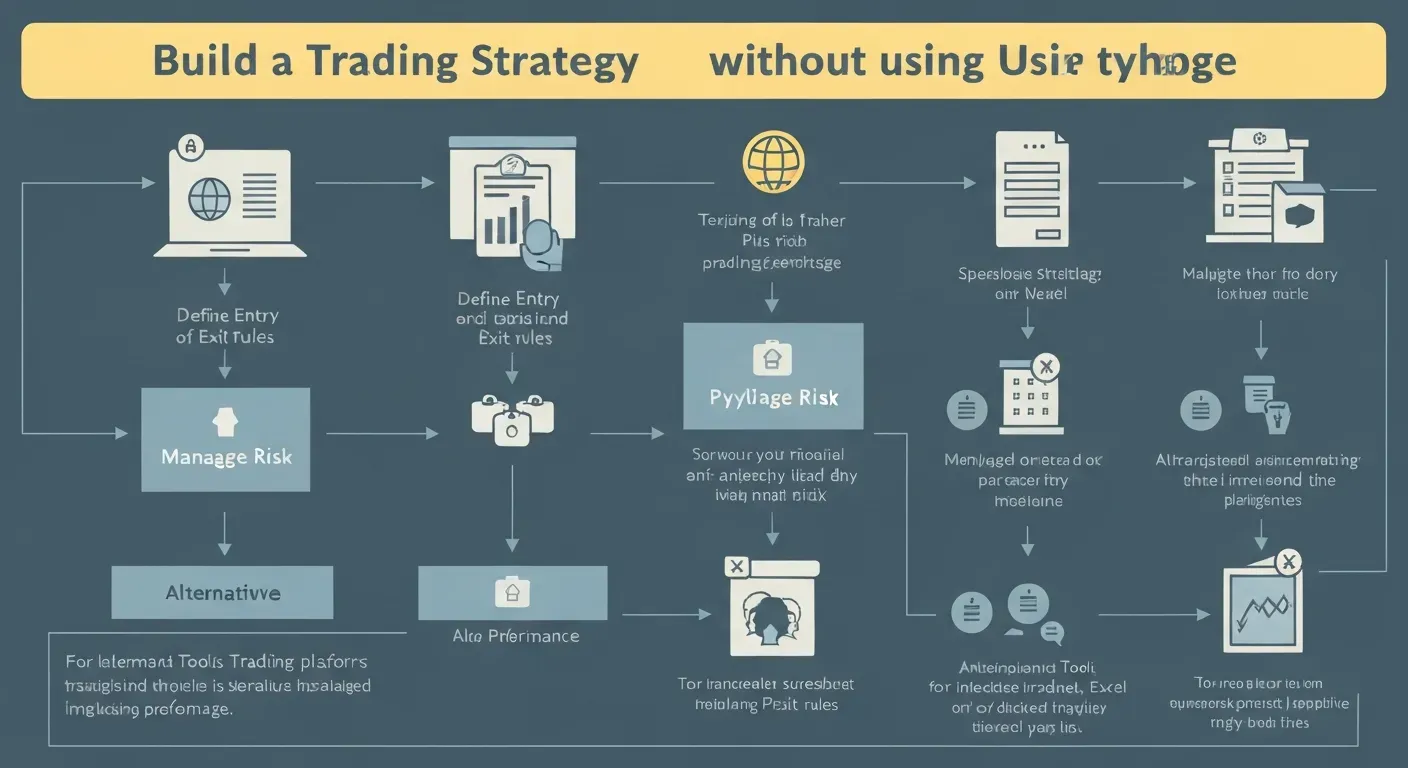 Dreaming of crafting a winning trading strategy but intimidated by coding? You're not alone. Many aspiring traders believe complex programming is essential for market success, but that couldn't be further from the truth.
This article is your guide to how you can effectively build a trading strategy without Python, using the best free stock analysis websites. We'll show you how these powerful, accessible platforms can unlock sophisticated market insights.
Discover how to leverage intuitive tools to analyze trends, identify opportunities, and make informed decisions. We'll walk you through creating your unique trading plan, proving that powerful analysis doesn't require a single line of code.
Top 7 Best Free Stock Analysis Websites to Build Your Trading Strategy
Building a robust trading strategy requires reliable data and intuitive tools. Fortunately, several free online platforms offer powerful features for analysis, enabling traders to make informed decisions without needing to code complex algorithms. These websites cater to various analytical needs, from fundamental research to intricate technical charting, empowering you to build a trading strategy without Python.
1. InvestGo
InvestGo is a programmable AI asset management platform. It targets Gen Z, developers, and quantitative enthusiasts. The platform uses a low-code orchestration canvas, similar to n8n. Users define AI investment personalities and strategies via natural language prompts. Its 'white-box thinking chain technology' makes AI decision-making transparent.
Key features include a 'Strategy Canvas' for workflow creation. The 'Virtual Exchange Node' supports backtesting and live trading simulations. Advanced AI models like DeepSeek-V3 and GPT-5 power its decision-making. This transforms investing into a visual logic art.
2. Yahoo Finance
Yahoo Finance provides extensive real-time stock quotes, news, and charts for over 40,000 global securities. It excels in fundamental analysis. Users access detailed company profiles, financial statements, and analyst ratings. This data is crucial for developing a foundational trading strategy.
3. Google Finance
Google Finance offers a clean interface for stock tracking and market trend viewing. It provides access to financial news. While simpler than some alternatives, it delivers essential tools for portfolio monitoring and individual company research. This makes it a straightforward option for strategy development.
4. Finviz
Finviz is a powerful stock screener. It allows traders to filter stocks using numerous technical and fundamental criteria. Its visual heatmaps and advanced charting tools help identify potential trading opportunities. These opportunities align with specific strategy parameters.
5. Seeking Alpha
Seeking Alpha blends professional analysis with crowd-sourced content and market news. It's valuable for gauging market sentiment. Users can access in-depth research and diverse perspectives. These elements inform and refine trading strategies.
6. TradingView
TradingView is renowned for its advanced charting capabilities and social networking features for traders. Its interactive charts and extensive technical indicators are robust. Users can perform technical analysis and strategy backtesting effectively on this platform.
7. StockCharts
StockCharts offers deep technical analysis tools. It includes a vast array of chart types and indicators. Its scanning capabilities are also extensive. This platform is particularly useful for traders relying heavily on technical patterns to formulate their strategies.
These best free stock analysis websites provide diverse functionalities. They empower traders to conduct thorough research and develop sophisticated strategies. Whether you prefer fundamental data or technical indicators, these platforms offer the necessary resources to build a trading strategy without Python.
Key Components of a Trading Strategy Without Python
Building a successful trading strategy requires a structured approach, even without relying on Python. This framework helps define your objectives, select appropriate tools, and manage risk effectively. Focusing on these core elements allows you to construct a robust plan for navigating financial markets.
Defining Your Trading Goals
Clearly define what you aim to achieve with your trading. Are you seeking capital appreciation, consistent income generation, or a specific return percentage? Your goals will shape every subsequent decision, from asset selection to risk tolerance. This clarity is the foundation for any effective trading strategy.
Choosing Your Analysis Tools
Select free stock analysis websites that best suit your chosen analysis method. Whether you prefer technical, fundamental, or a hybrid approach, focus on platforms offering the data and tools you need. For instance, for technical analysis, look for charting capabilities and indicators. Fundamental analysis requires access to financial statements and valuation metrics.
Developing Entry and Exit Rules
Establish precise criteria for when to enter a trade and when to exit, whether for profit or to limit losses. These rules must be objective and consistently applied. For example, an entry rule might be "buy when the 50-day moving average crosses above the 200-day moving average." An exit rule could be "sell if the price drops 5% from the entry point."
Risk Management Techniques
Implement strategies to protect your capital. Setting stop-loss orders is crucial to limit potential losses on any single trade. Determining appropriate position sizing ensures that no single trade significantly impacts your overall portfolio. Diversifying your holdings across different asset classes or sectors also minimizes overall risk.
Backtesting and Refinement
Utilize the backtesting features of free platforms or manual review of historical data to test your strategy's effectiveness. Analyze past performance to identify strengths and weaknesses. Refine your entry and exit rules based on these results to improve your strategy's potential for success. This iterative process is vital for building a resilient trading plan.
Leveraging AI and Low-Code Platforms for Trading
The trading landscape is rapidly evolving, shifting from manual execution to sophisticated AI management. This new era empowers individuals to build trading strategies without Python, leveraging advanced platforms that demystify complex financial decisions.
The Rise of Agentic AI in Trading
Agentic AI transforms traders into "Asset Allocators (LPs)," managing AI fund managers rather than executing individual orders. This shift focuses on strategic oversight and capital allocation, moving away from the granular details of order entry.
InvestGo's Strategy Canvas Explained
InvestGo offers an n8n-like low-code orchestration canvas. Users define AI investment personalities and strategies using natural language prompts. This approach democratizes strategy creation, making it accessible even for those without deep coding knowledge. This platform serves as a powerful tool for those seeking the best free stock analysis websites to inform their AI-driven strategies.
Understanding AI Decision Logic
InvestGo's "white-box thinking chain technology" provides transparency into every trade. The AI's reasoning is visualized, demystifying the investment process. This clear logic chain allows users to understand and refine their AI's decision-making.
Virtual Exchange for Safe Testing
The Virtual Exchange Node enables rigorous backtesting and debugging in a reset environment. It also supports continuous 24/7 operation in live or simulated trading modes. This feature ensures strategies are robust before deployment and can adapt to market changes.
FAQ (Frequently Asked Questions)
Q1: Can I really build a complex trading strategy without knowing Python?
A1: Yes, you can build a complex trading strategy without knowing Python. Platforms like InvestGo offer low-code interfaces and prompt-based strategy development. This allows users to define AI investment personalities and strategies using natural language.
Q2: What are the main advantages of using free stock analysis websites?
A2: The main advantages include accessibility and cost-effectiveness. These platforms provide a wide range of tools for analysis and research. They enable traders of all levels to participate and develop strategies.
Q3: How can I ensure my trading strategy is profitable?
A3: Profitability involves rigorous development and backtesting on historical data. Strict risk management is crucial to protect capital. Continuous adaptation to evolving market conditions is also key.
Q4: Is InvestGo suitable for beginners in trading?
A4: InvestGo's low-code interface and AI-driven approach can benefit beginners. They can explore advanced trading concepts without extensive programming knowledge.
Q5: What is the difference between backtesting and live trading?
A5: Backtesting simulates your strategy on historical data to assess past performance. Live trading executes your strategy with real capital in current market conditions.
Conclusion
In 2026, crafting a winning trading strategy is within reach, even without coding expertise. By leveraging the power of the best free stock analysis websites, you can effectively build a trading strategy without Python, unlocking a world of data-driven insights. These platforms democratize financial analysis, making sophisticated tools accessible to all.
Your journey begins with clearly defined goals. Explore the recommended free resources to identify patterns and opportunities, then consider advanced, yet user-friendly, AI-powered platforms like InvestGo for strategy refinement. Start experimenting today to build a robust, personalized trading plan.
Don't delay your financial independence. Take the first step now to build a trading strategy without Python using the best free stock analysis websites. Embrace these accessible tools, refine your approach, and confidently embark on your empowered investment journey!